

Have you ever looked around your home and felt as though something was missing, but you couldn’t quite put your finger on what it was?
Even though you’ve chosen beautiful furniture, found a color palette you love, and added a few decorative pieces, your room still doesn’t feel warm, polished, or complete. If so, you’re not alone.
Sometimes a room simply needs a few finishing touches to transform it from almost there to a space that feels warm, collected, and complete.
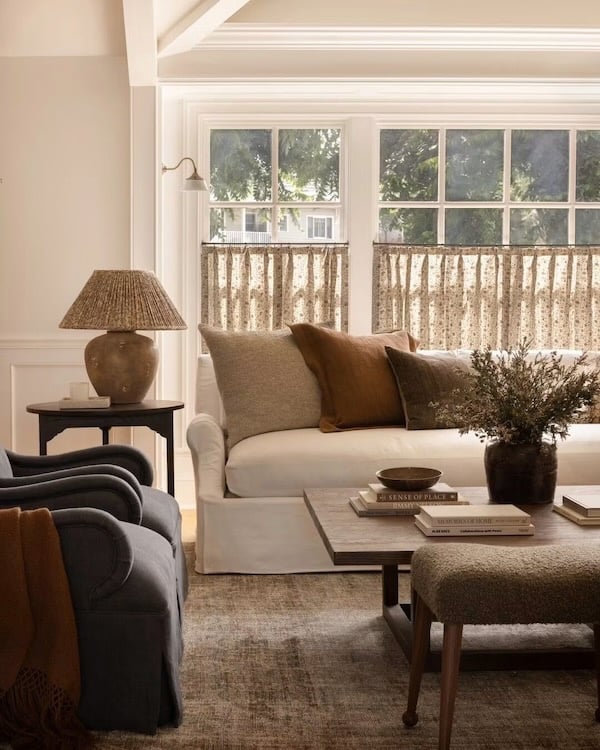 Amber Lewis – coffee table – stools
With that in mind, in today’s post, I’m sharing 12 common reasons your home might feel unfinished — and some simple designer-inspired ways to fix them.
Why Your Room Feels Unfinished (and how to fix it)
1. Your room lacks a clear focal point
One of the first things that can make a room feel unfinished is the absence of a focal point — a place for the eye to naturally land when you enter the space.
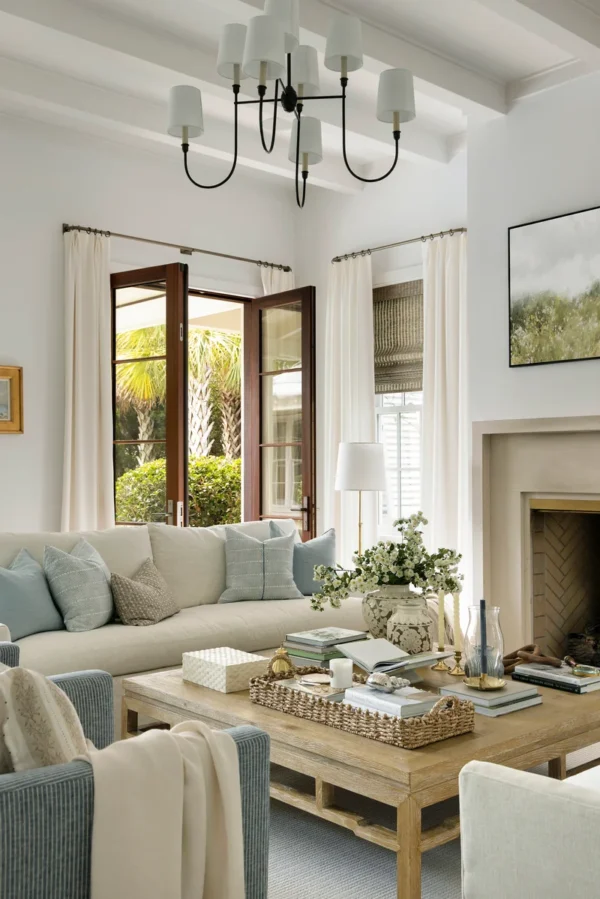
In a living room, the focal point might be a fireplace, a large piece of artwork, a potted tree, or a statement coffee table.
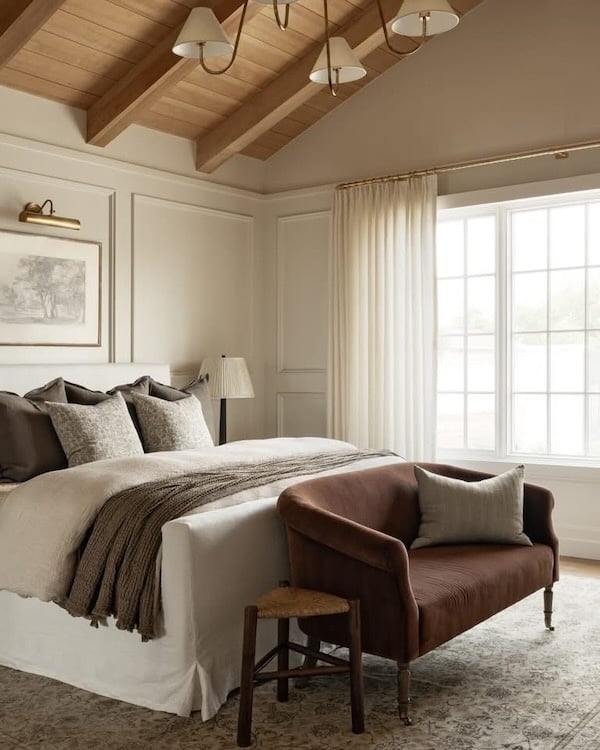
In a bedroom, it’s often the bed, enhanced with a substantial headboard, layered bedding, bench, or artwork above it.
A kitchen might draw attention to a statement range hood, pendant lights, or an eye-catching backsplash.
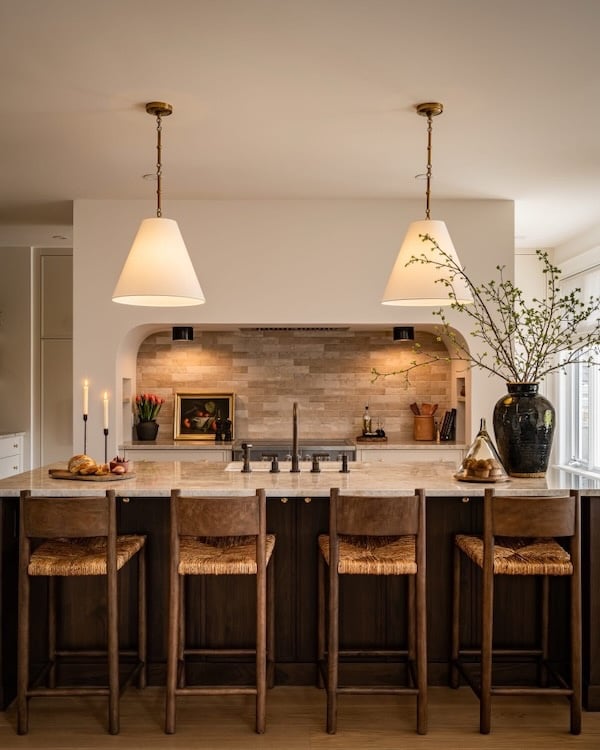 West of Main – Justin Thomason Photography
If your room lacks focus, choose one feature to emphasize, then arrange the furniture, lighting, color, and accessories to quietly support it.
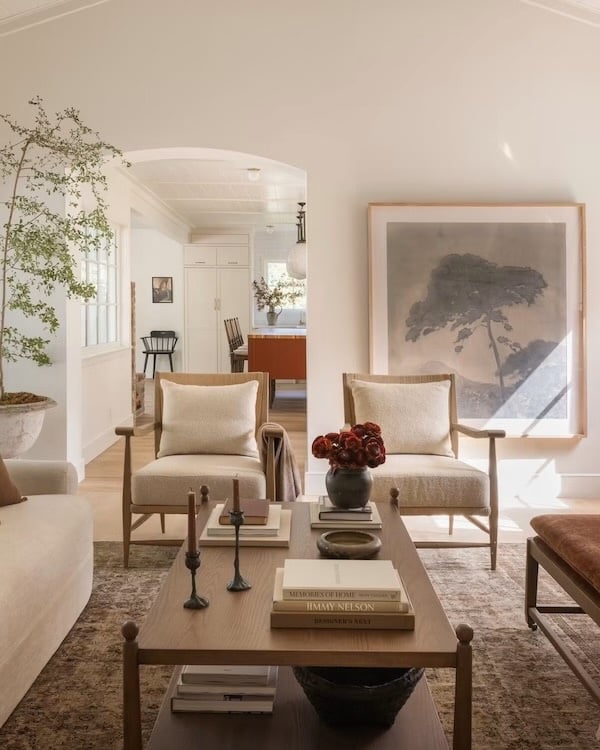 Amber Lewis – coffee table – armchairs – artwork
The goal isn’t to create something overly dramatic; it’s simply to give the room a visual anchor.
2. The artwork is too small — or there isn’t enough of it
Bare walls are one of the most common reasons a home feels unfinished. However, artwork that is too small for the wall or furniture beneath it can create almost the same effect.
In many cases, one generously sized piece, a pair of coordinating works, or a thoughtfully-arranged gallery wall will feel more balanced.
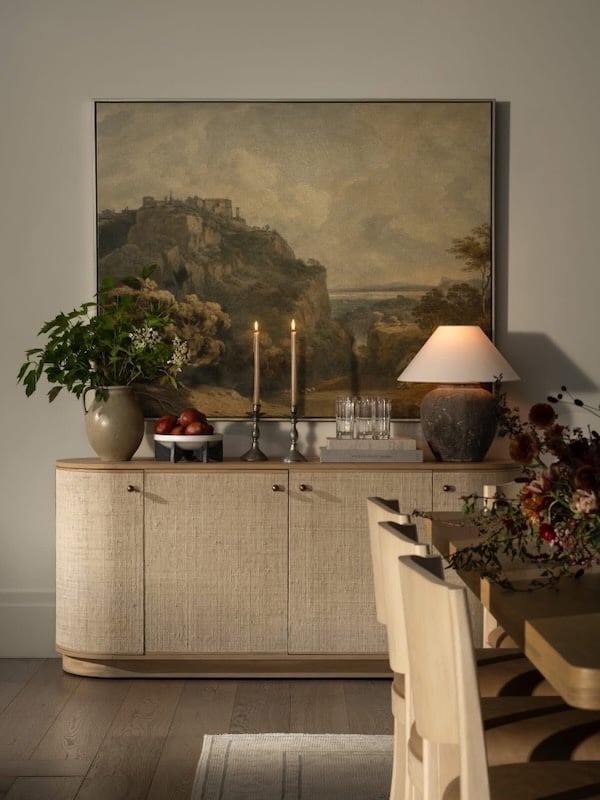 Studio McGee – sideboard – artwork
As a general guide, artwork displayed above a piece of furniture often looks best when it spans about two-thirds to three-quarters of the furniture’s width. (You can use painter’s tape to make an outline on the wall before ordering or hanging anything.)
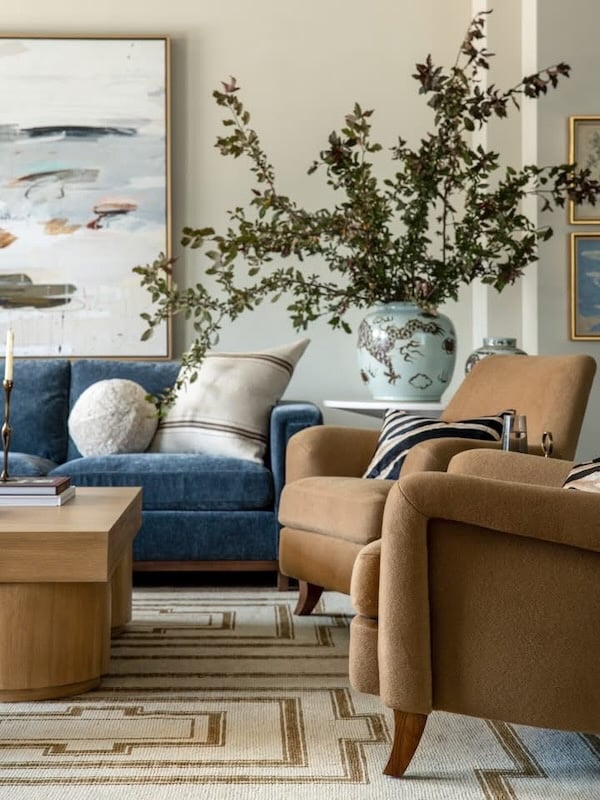 Alice Lane Home – sectional – similar art
Art is also a lovely way to bring color, mood, and personality into a neutral room.
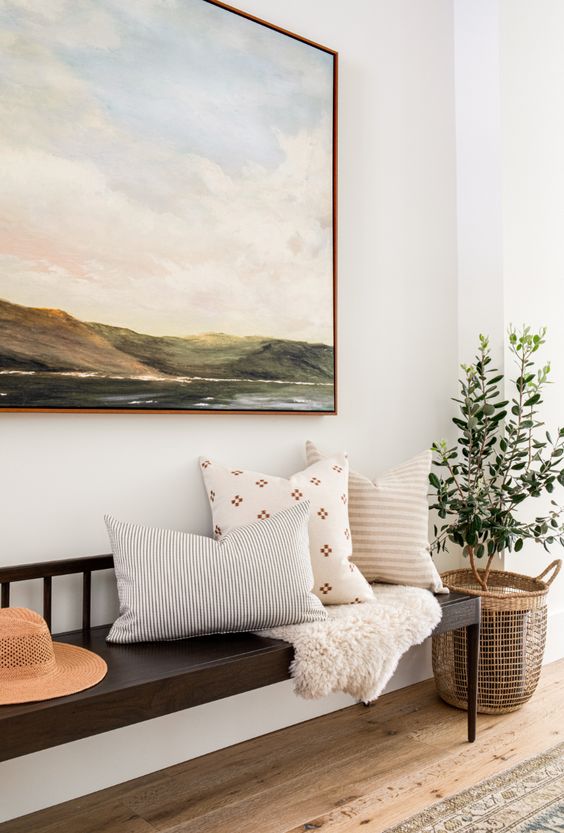 Lindye Galloway Studio – wall art
Remember to choose pieces that genuinely speak to you rather than selecting art simply to fill an empty wall.
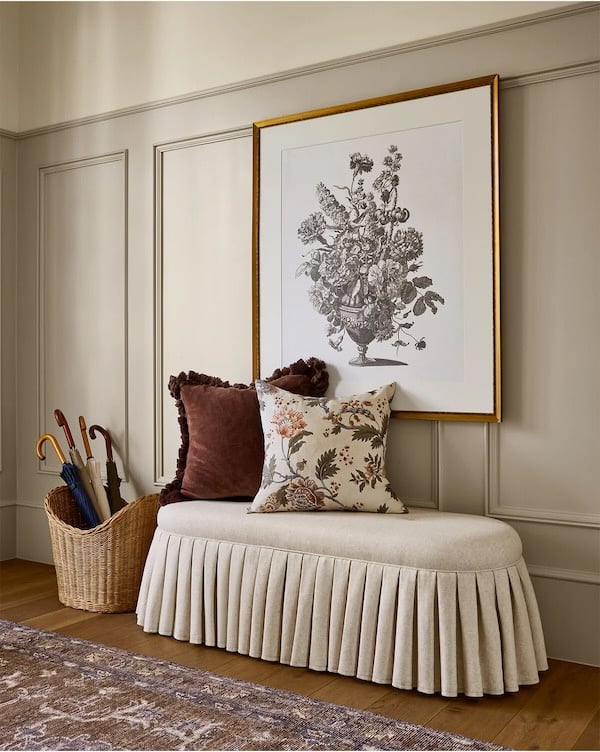 Studio McGee – bench – floral pillow – velvet pillow – rug – artwork – basket
3. Your windows are missing their finishing layer
Bare windows can make a room feel surprisingly unfinished.
Window treatments add softness, height, texture, and architectural interest while also helping to frame the view.
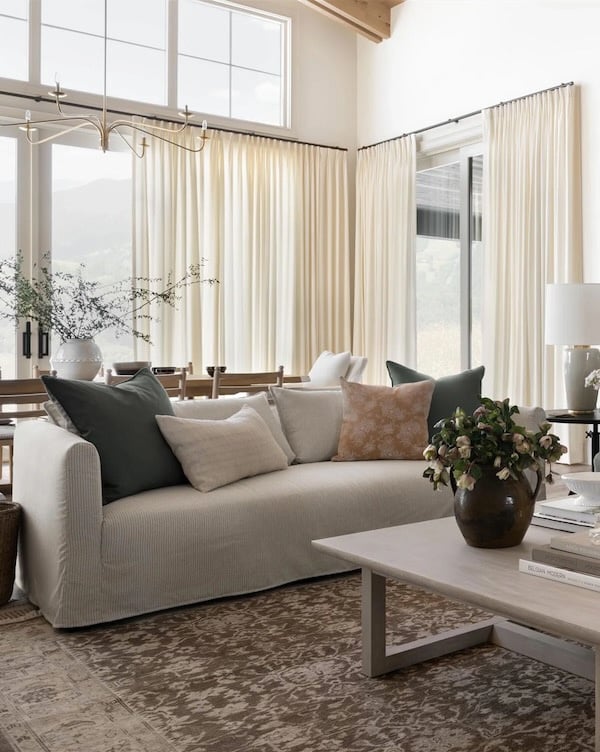 Studio McGee – sofa – coffee table
Depending on your style, this might mean full-length draperies, Roman shades, woven shades, shutters, or a combination of treatments.
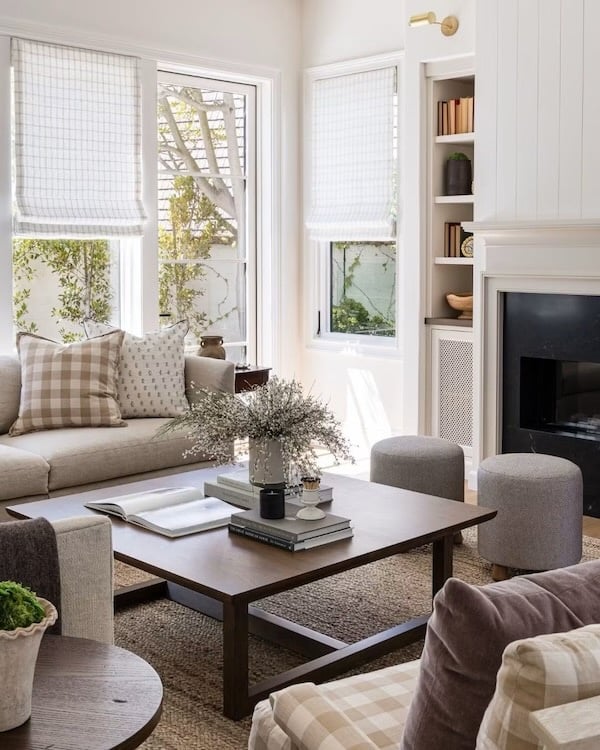 Mindy Gayer Design – Vanessa Lentine Photography
One of my favorite designer tricks is to hang drapery panels higher and wider than the actual window. This can make windows appear larger and ceilings feel taller.
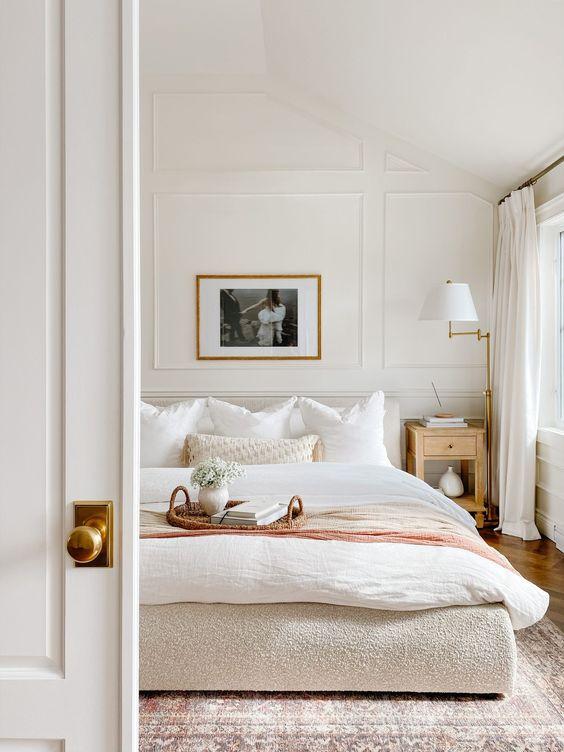 AKB Design Studio – similar bed
Even when privacy or light control isn’t an issue, window treatments can provide that final layer that makes a room feel polished.
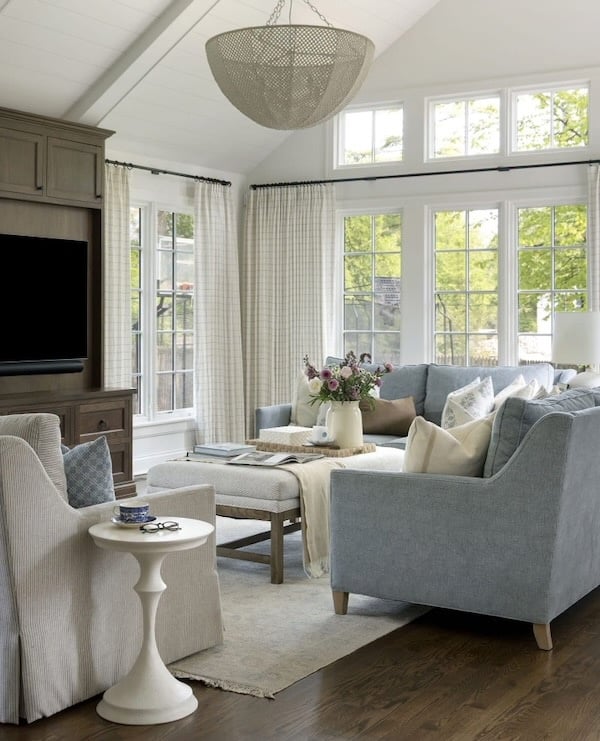
Think of window treatments as part of the architecture of the room — not merely something functional.
4. Your lighting is too one-dimensional
Lighting is one of the most powerful decorating tools, yet it’s often treated as an afterthought.
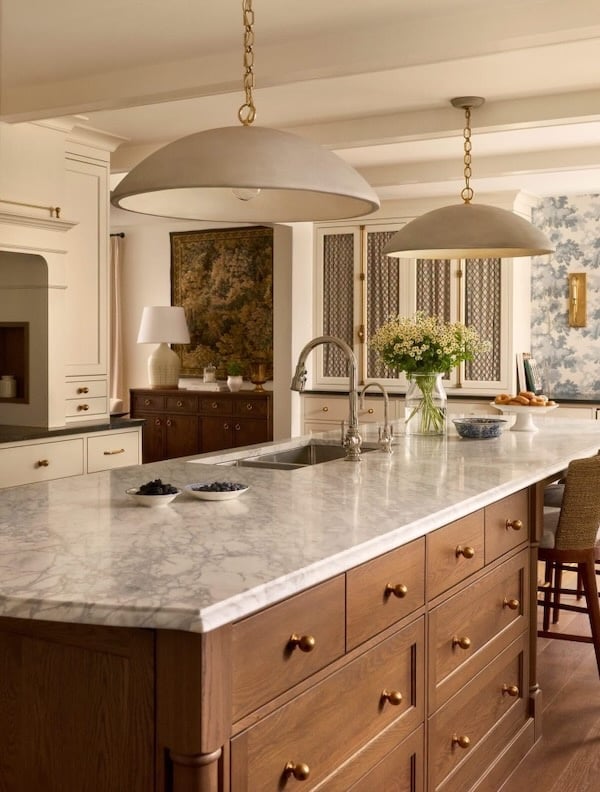 AKB Design Studio – Sylvie Li Photography – pendant – counter stool
A single ceiling light can leave a room looking flat, harsh, or shadowy — even when everything else is beautifully chosen.
Most rooms feel warmer and more dimensional when they include several sources of light at different heights.
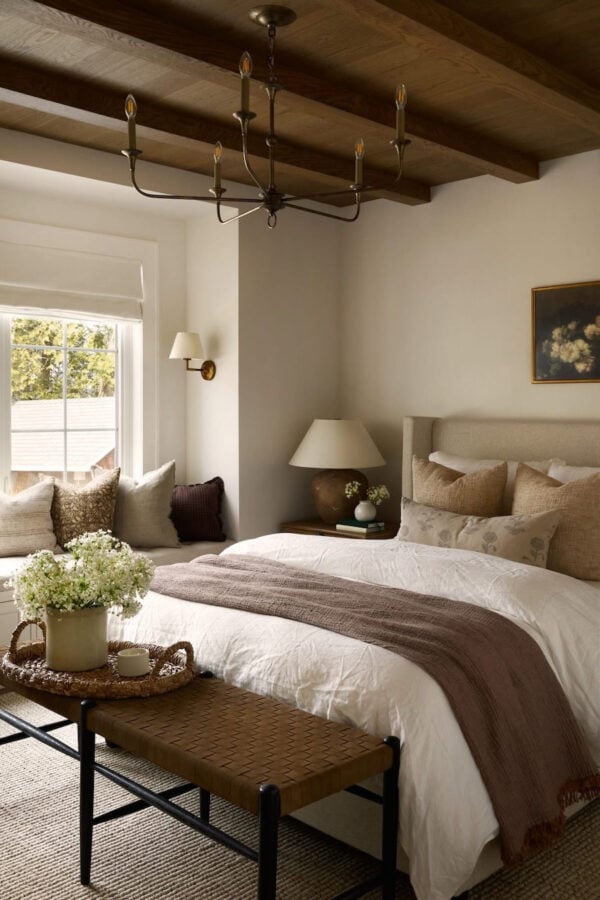 AKB Design Studio – chandelier – bench
Think of lighting in three layers:
- Ambient lighting: the general illumination provided by a chandelier, pendant, flush mount, or recessed lights.
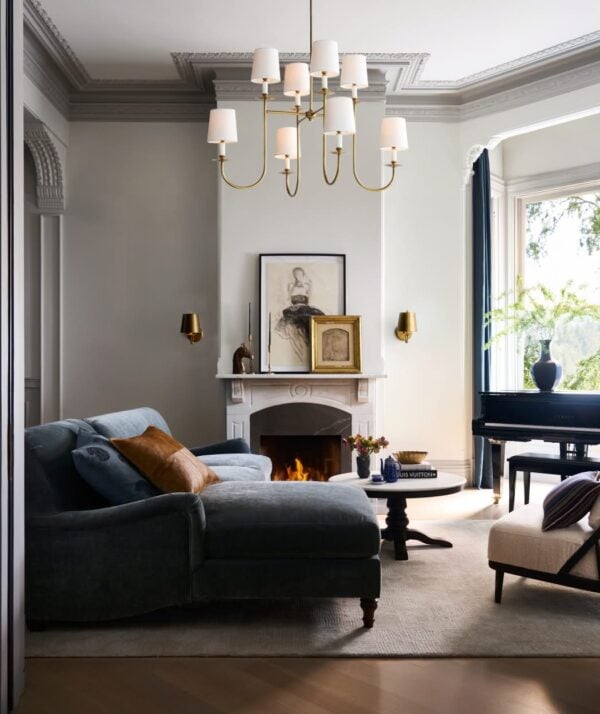
- Task lighting: table lamps, floor lamps, under-cabinet lighting, or reading lights placed where specific activities occur.
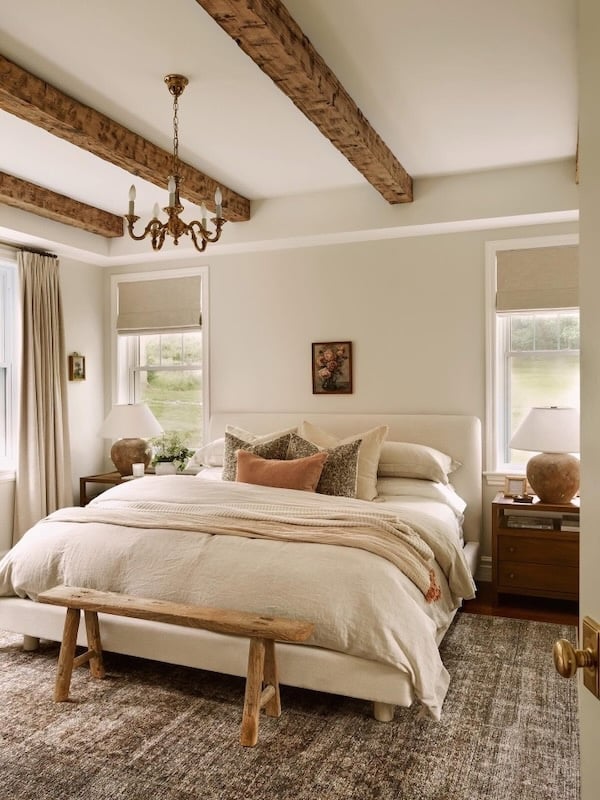 AKB Design Studio – Sylvie Li Photography – similar bench
- Accent lighting: sconces, picture lights, candles, or small lamps that highlight artwork and create atmosphere.
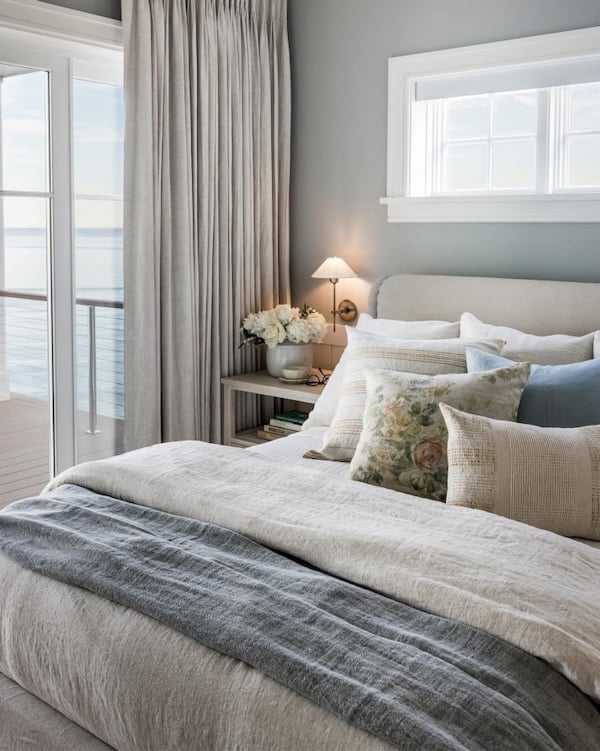 Pure Salt Interiors – Vanessa Lentine Photography – floral pillow – sconce
Whenever possible, add dimmers and use warm-toned bulbs to make the room feel softer and more inviting in the evening.
Lamps themselves can also act as decorative elements, bringing shape, scale, color, and style to a room.
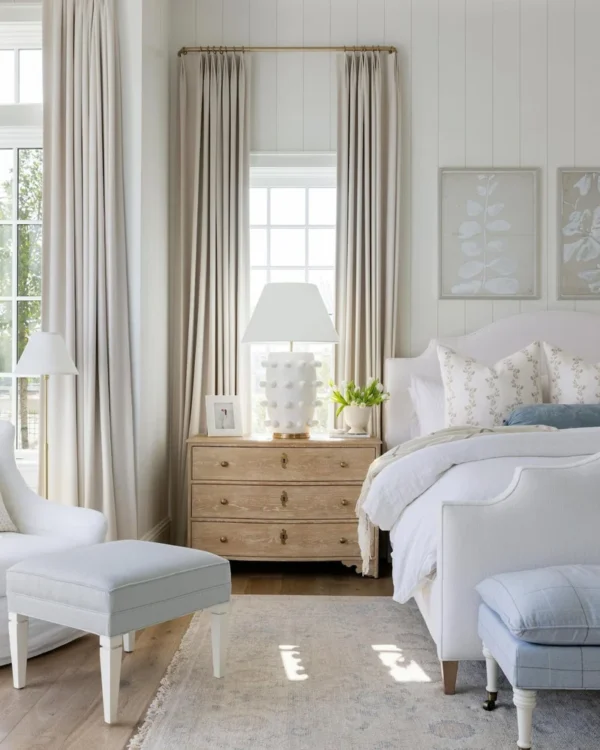 Bria Hammel Interiors – Spacecrafting Photography – bench – art
5. The room needs more color or contrast
One of the most common reasons a home can feel unfinished is a lack of color.
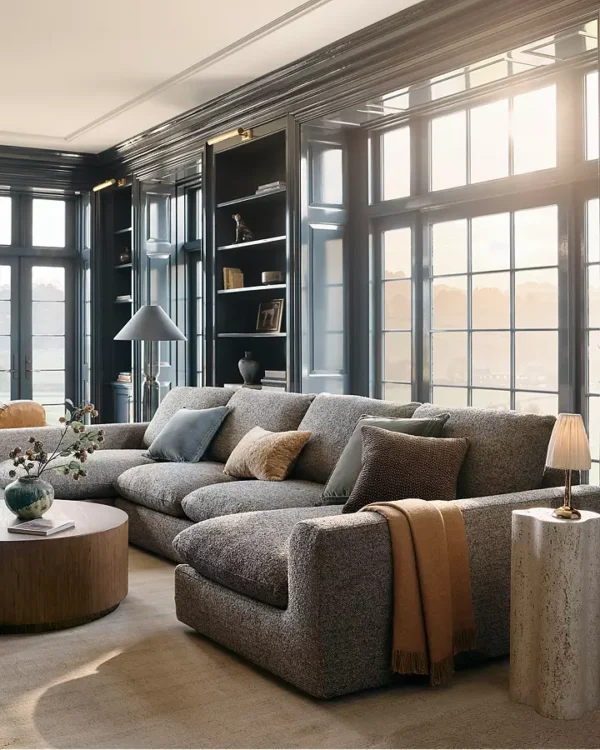
This doesn’t mean every room needs to be colorful or that you need to embrace bold hues. A neutral home can be incredibly sophisticated and inviting.
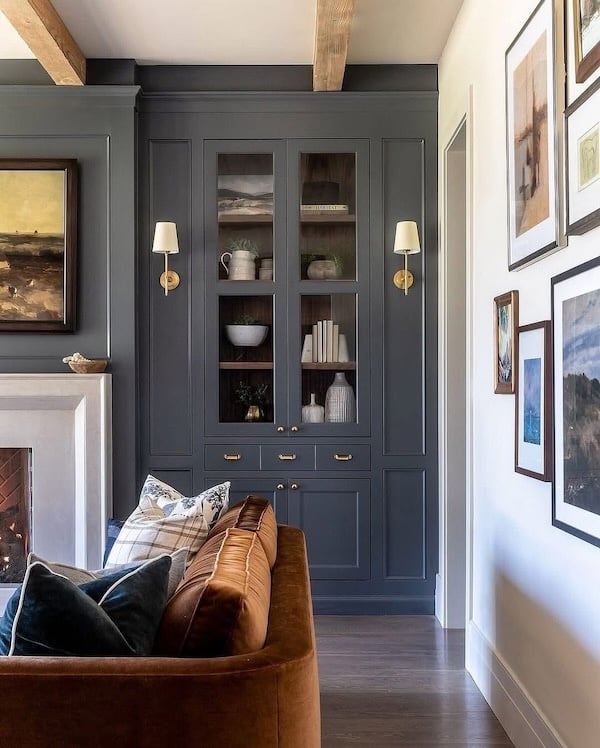 Ali Henrie Design – Lindsay Salazar Photography – sconces – similar sectional
However, even the most beautifully designed neutral spaces benefit from subtle variations in color.
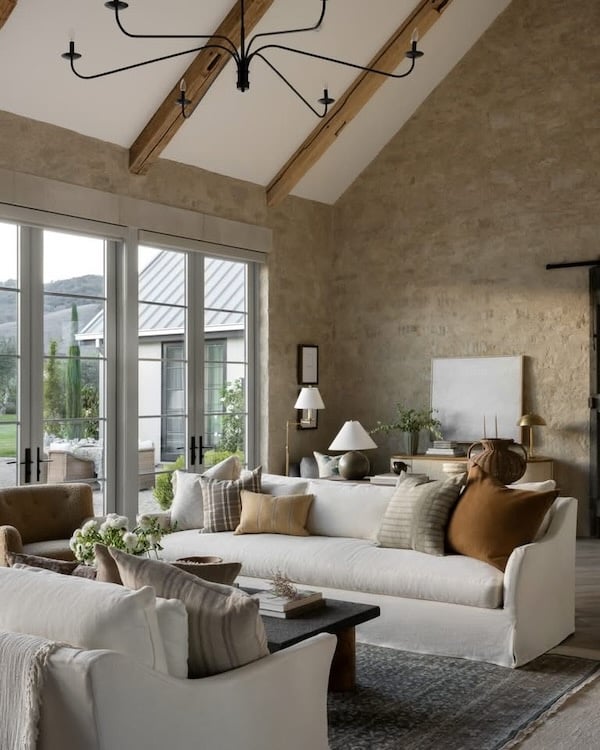 Studio McGee – sofas – rug – chandelier – coffee table
Consider introducing color through throw pillows, rugs, artwork, books, flowers, accessories, or even painted cabinetry.
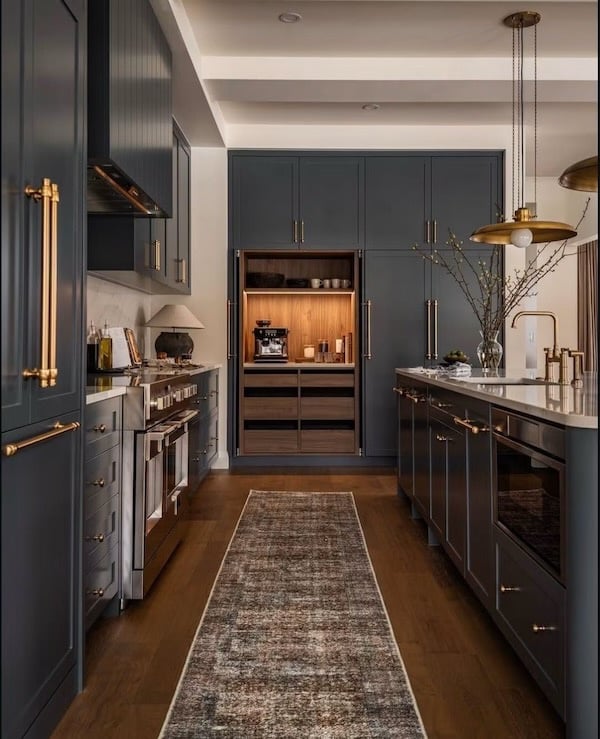 West of Main – Justin Thomason Photography
Look for colors that repeat throughout the room so the space feels cohesive.
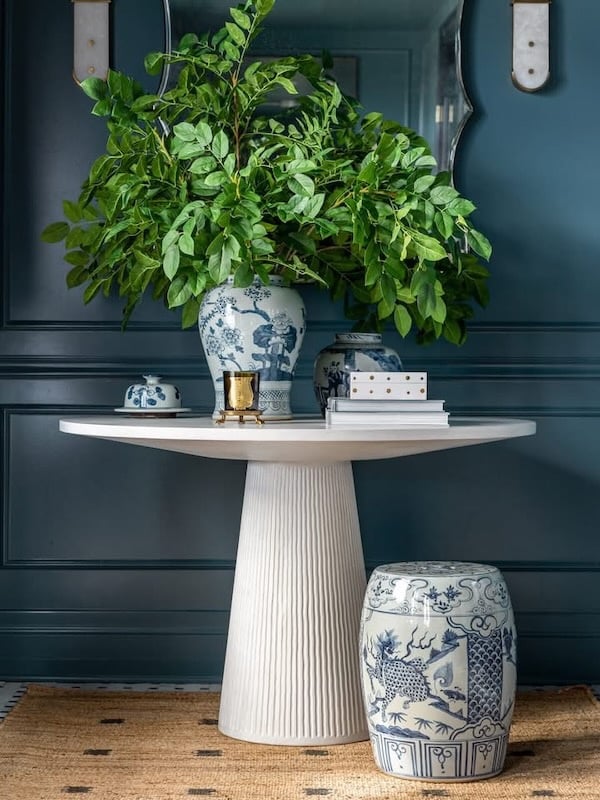 Alice Lane Home – entry table – garden stool – large jar
If you’re decorating with a neutral palette, think beyond beige and white. Layer in warm taupes, soft blues, muted greens, earthy browns, or whatever colors naturally speak to you.
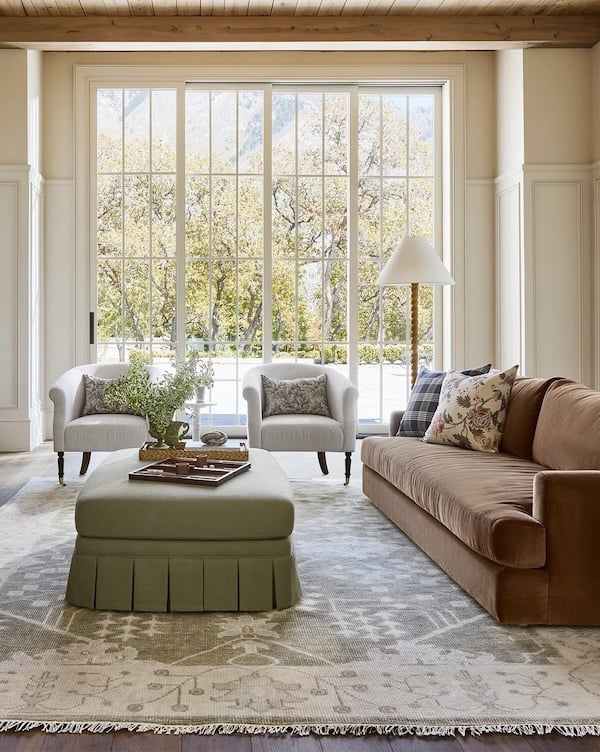 Studio McGee – rug – ottoman – sofa – chairs
The goal is to create a color palette that feels cohesive and gives the eye something to enjoy.
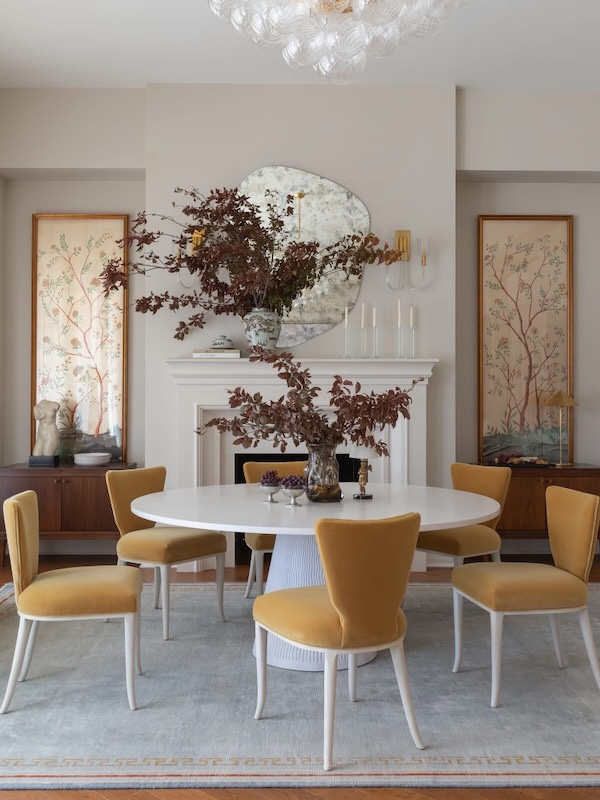 Alice Lane Home – chairs – dining table – rug – artwork
6. Everything is the same texture
If your home contains a lot of hard, smooth surfaces, it may look attractive but still feel somewhat flat.
Texture is what gives a room depth and coziness.
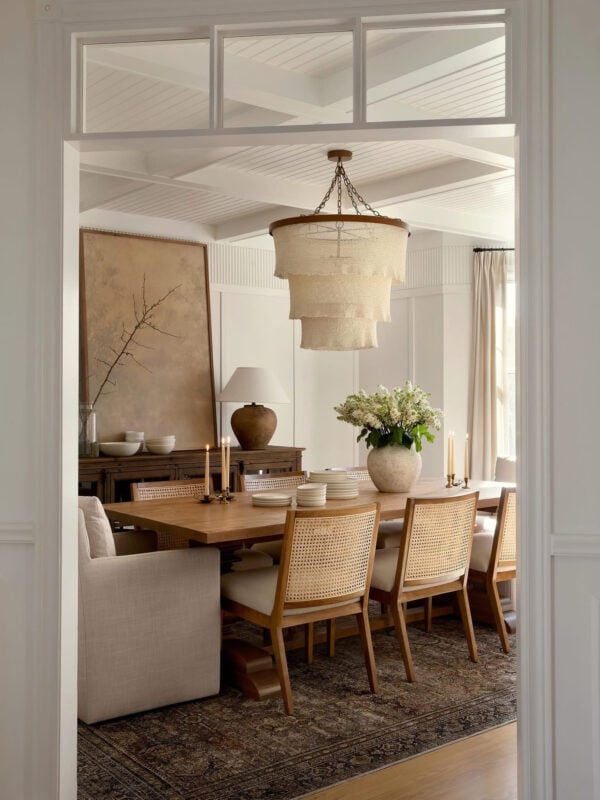 AKB Design Studio – pendant – similar dining chair – similar armchair
Consider incorporating materials such as linen, wool, velvet, rattan, woven baskets, natural wood, stone, aged metals, ceramics, and boucle.
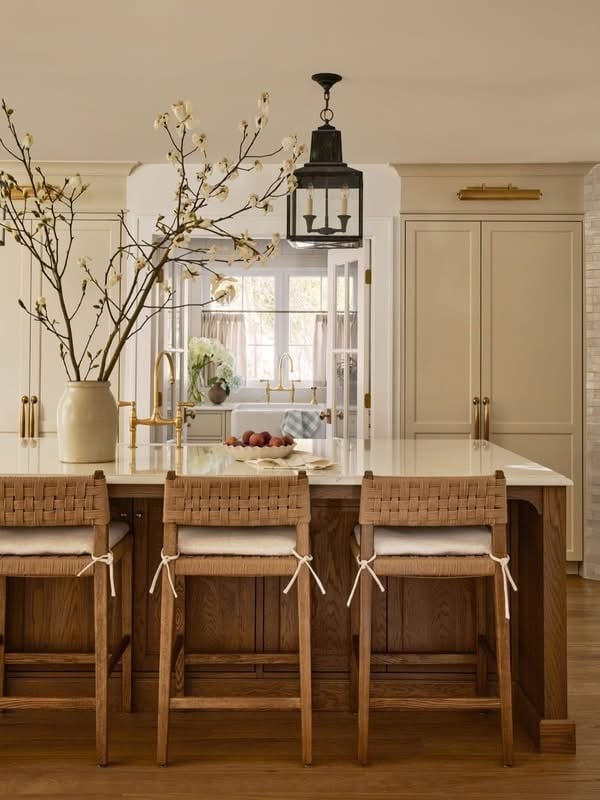 AKB Design Studio – Sylvie Li Photography – counter stools – similar pendant
Texture is particularly important in neutral interiors because it prevents a restrained color palette from becoming monotonous.
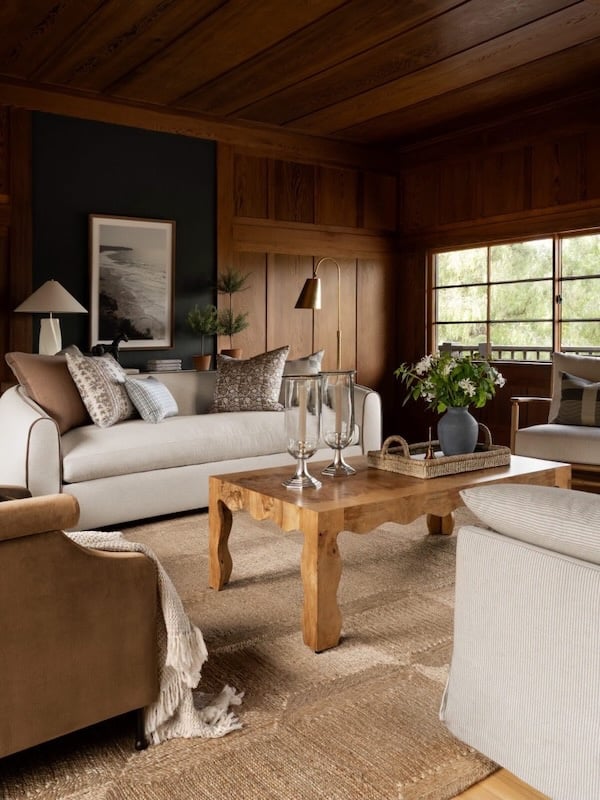
A linen sofa paired with a chunky wool throw, a woven basket, a vintage wood table, and a ceramic lamp will generally feel much richer than a room filled with pieces that all have the same smooth finish.
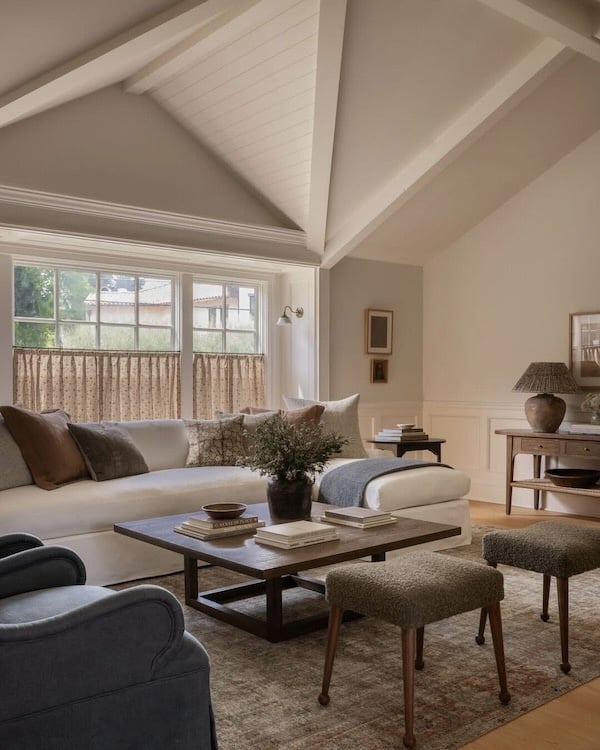 Amber Interiors – coffee table – stools
The goal is to mix materials and finishes so your rooms have visual and tactile interest.
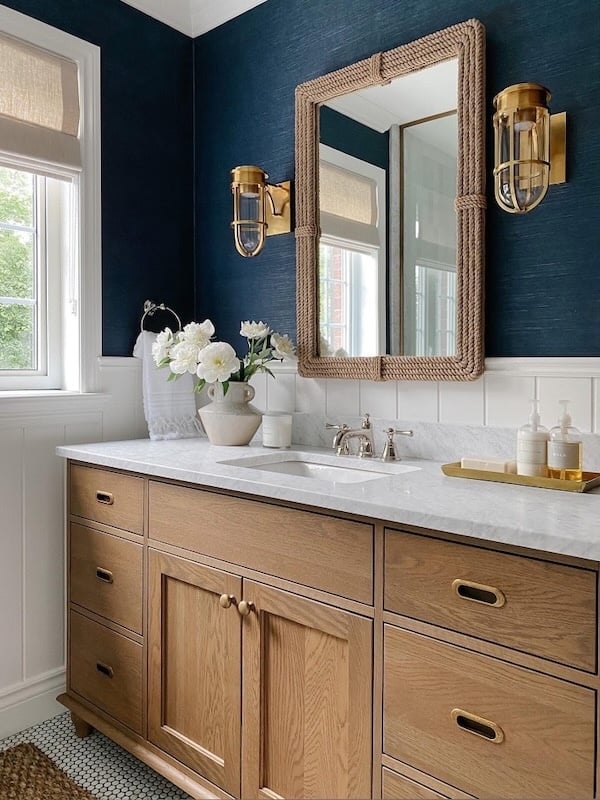 AKB Design Studio – mirror – sconce
7. The rug is missing or too small
An area rug does more than add softness underfoot. It grounds the furniture, defines the room, absorbs sound, introduces pattern or color, and visually connects the pieces within a seating arrangement.
When a rug is too small, the furniture can appear to float around it, making the room feel disconnected.
In a living room, aim for a rug large enough to sit beneath at least the front legs of the sofa and chairs.
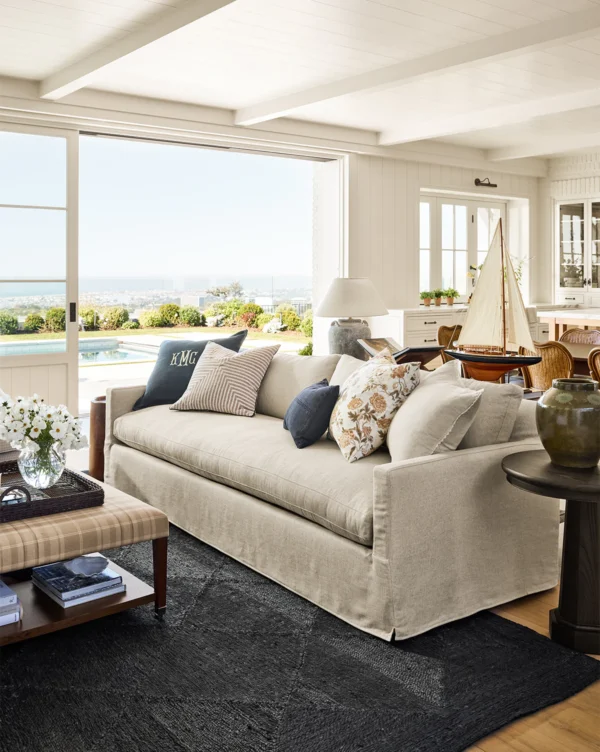 Studio McGee – sofa – ottoman coffee table – monogramed pillow – rug
In a dining room, allow enough space for the chairs to remain on the rug when pulled away from the table.
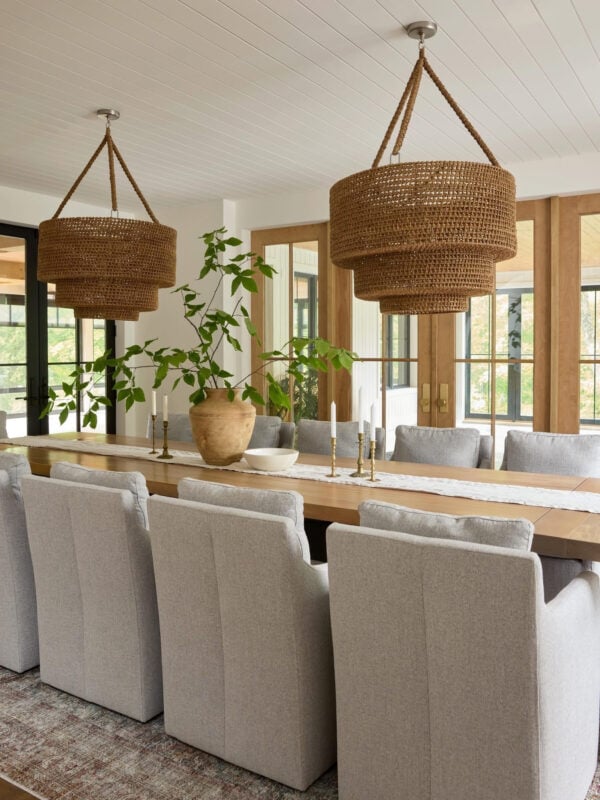 AKB Design Studio – similar dining chair – chandelier
Bedrooms often look more balanced with a rug extending beyond both sides and the foot of the bed. Even in a carpeted room, an area rug can add definition, pattern, and another layer of comfort.
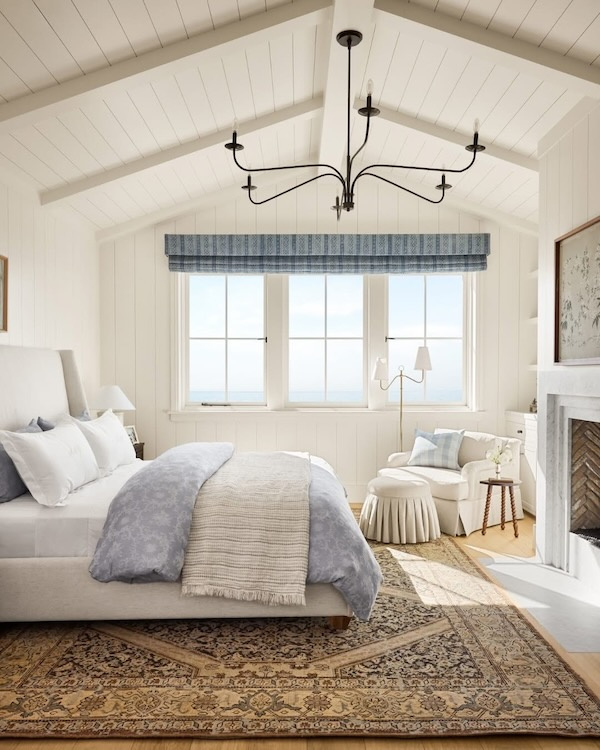 Studio McGee – chandelier – bed – ottoman – pillow – lamp – side table – chair – rug
When deciding between two rug sizes, the larger option is often the one that makes the room feel more generous and complete.
8. The furniture is pushed against the walls
It’s tempting to line every piece of furniture around the perimeter of a room, particularly when you want the space to feel larger.
However, this can create an empty center and make the room feel more like a waiting area than a comfortable place to gather.
When space allows, bring sofas and chairs closer together to form a conversation area.
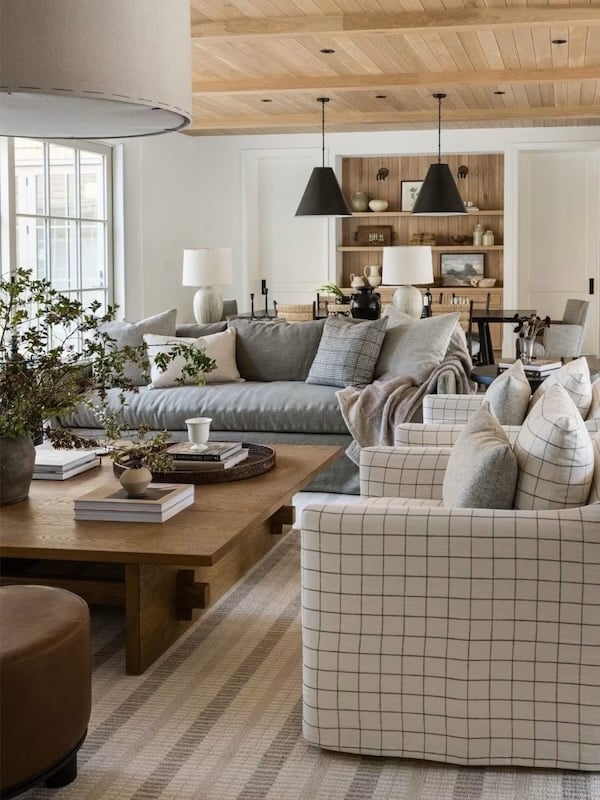 Mindy Gayer Design – Vanessa Lentine Photography
Anchor the grouping with a coffee table and rug, and include a convenient surface and light near each seat.
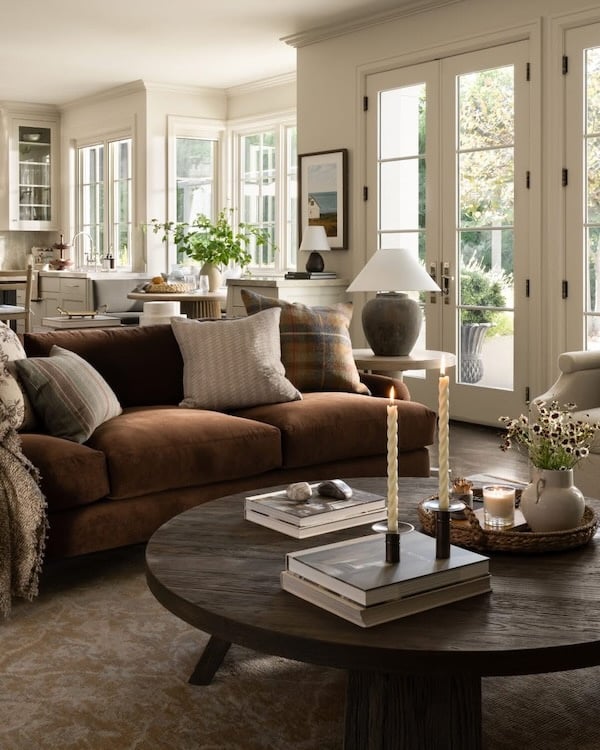 Studio McGee – coffee table – sofa
Even moving furniture a few inches away from the walls can make the layout feel more considered.
In an open-concept home, use rugs, lighting, consoles, or the back of a sofa to define separate zones for relaxing, dining, and entertaining.
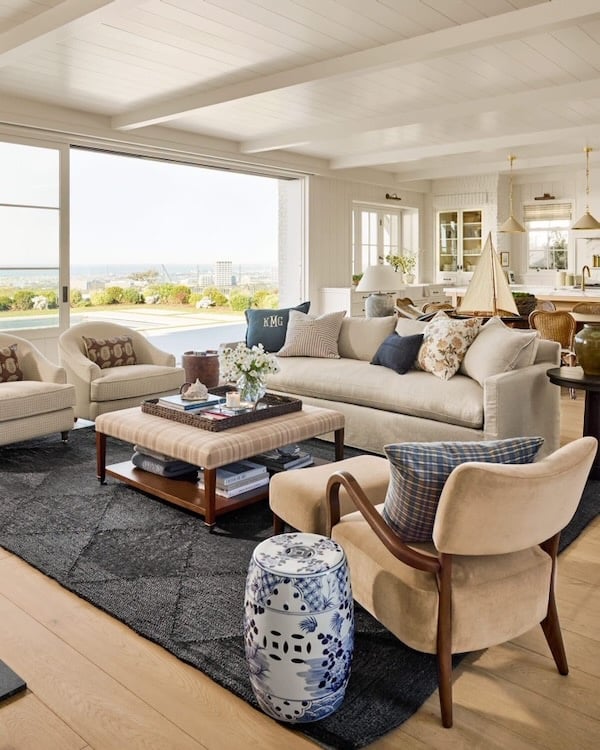 Studio McGee – sofa – ottoman coffee table – monogramed pillow – rug
Before buying anything new, experiment with your layout. Sometimes the missing finishing touch is simply a better furniture arrangement.
9. There aren’t enough plants or flowers
Plants, flowers, and branches bring life, movement, color, and organic shape to every room, and without any natural elements, a beautifully decorated space can sometimes feel a bit static.
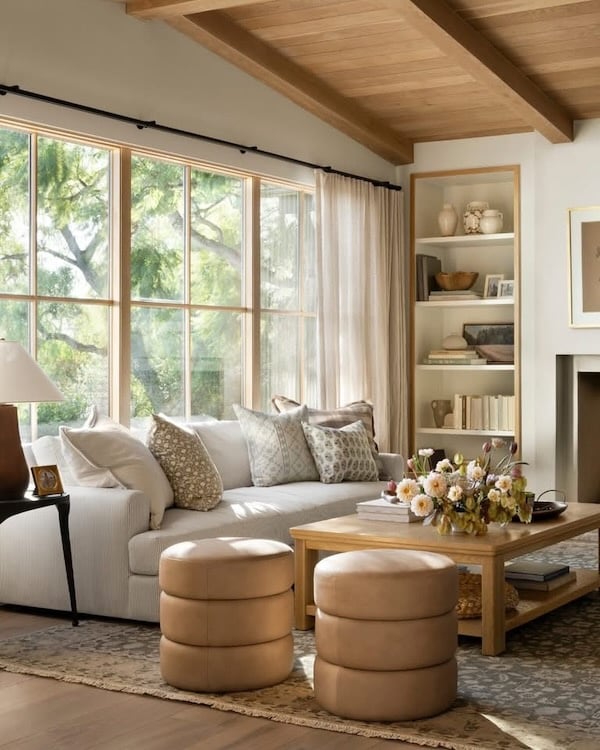 Studio McGee – ottomans – coffee table – sofa – rug
A tall indoor tree can fill an empty corner and draw the eye upward, while a simple vase of seasonal branches can bring height and softness to a console or dining table.
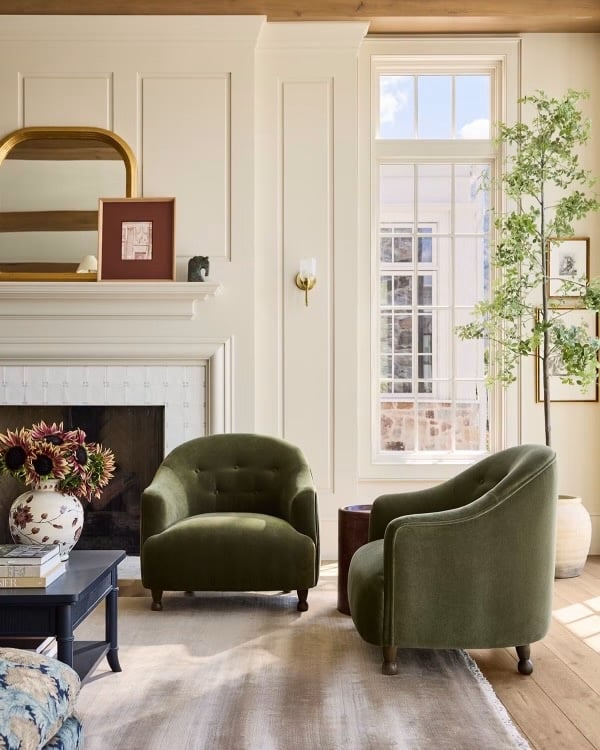 Studio McGee – chairs – rug – coffee table – vase – tree
Smaller plants are lovely on kitchen counters, shelves, side tables, and bathroom vanities.
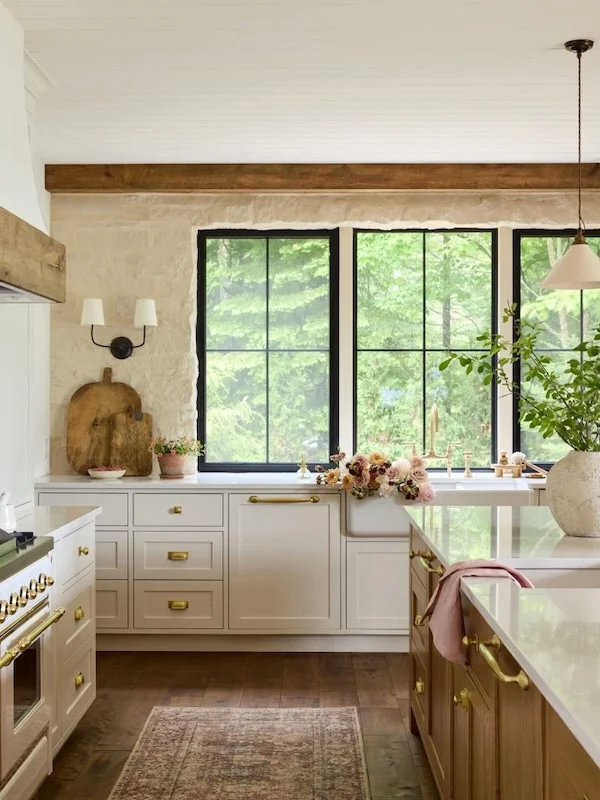
If caring for houseplants isn’t your strength, try branches, fresh flowers, clipped greenery from the yard, dried botanicals, or a high-quality faux plant.
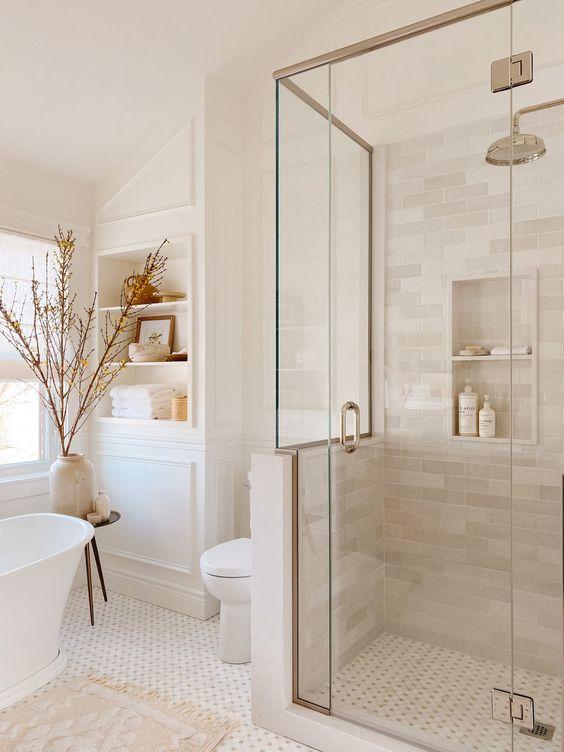
You can also create an organic feeling with a bowl of fruit, shells, stones, or other natural objects.
The container matters, too. A beautiful planter, aged terracotta pot, woven basket, or simple ceramic vase adds another opportunity for texture and character.
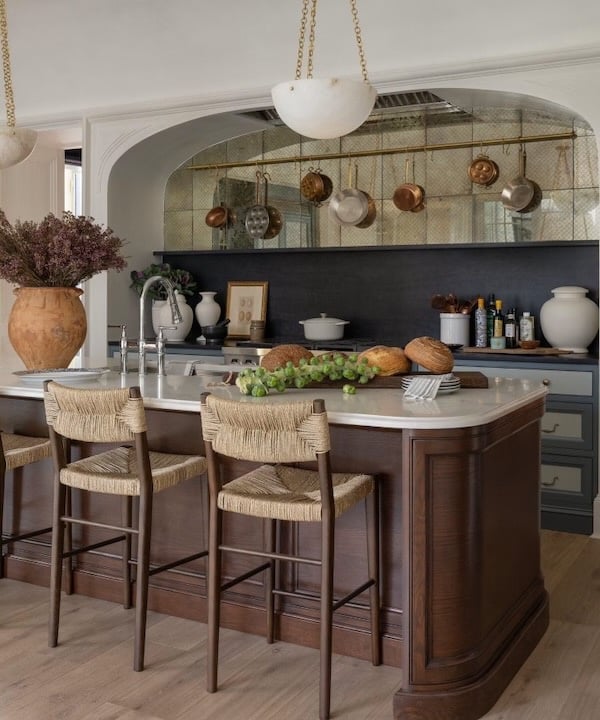 Whittney Parkinson Design – chandeliers – counter stools
10. Your surfaces are either empty or overcrowded
Styling surfaces is often where a room begins to feel truly personal — but balance is important.
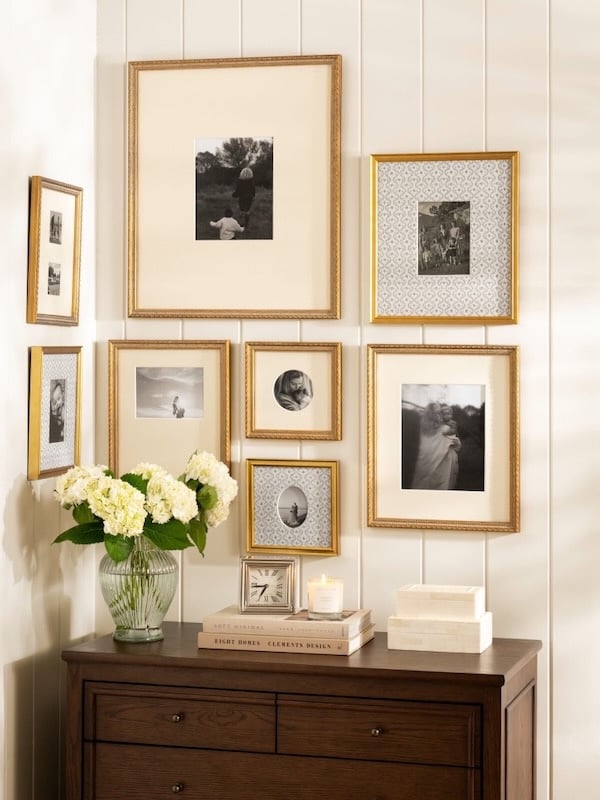
Completely bare coffee tables, consoles, nightstands, countertops, and shelves can make a home feel temporary, while too many small accessories can make it feel busy and unsettled.
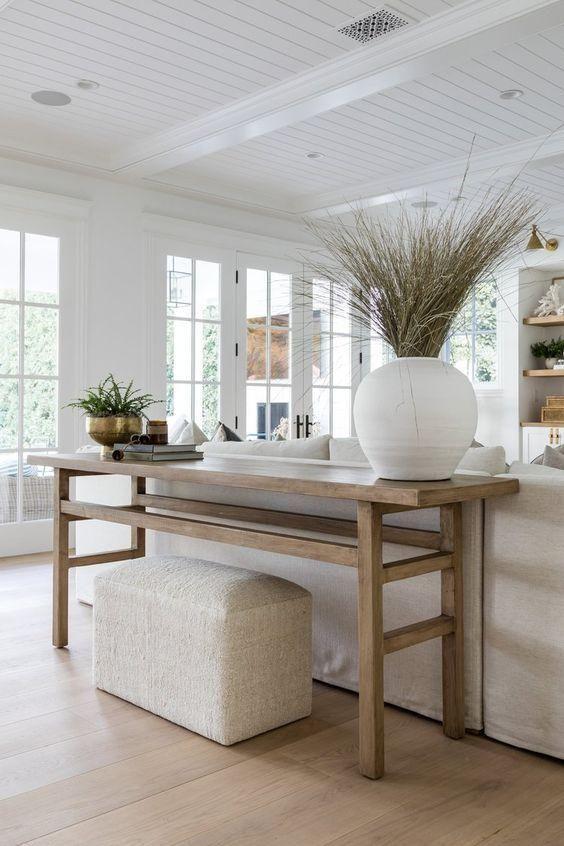 Pure Salt Interiors – console table
Instead, create a few simple groupings with varied heights, shapes, and materials.
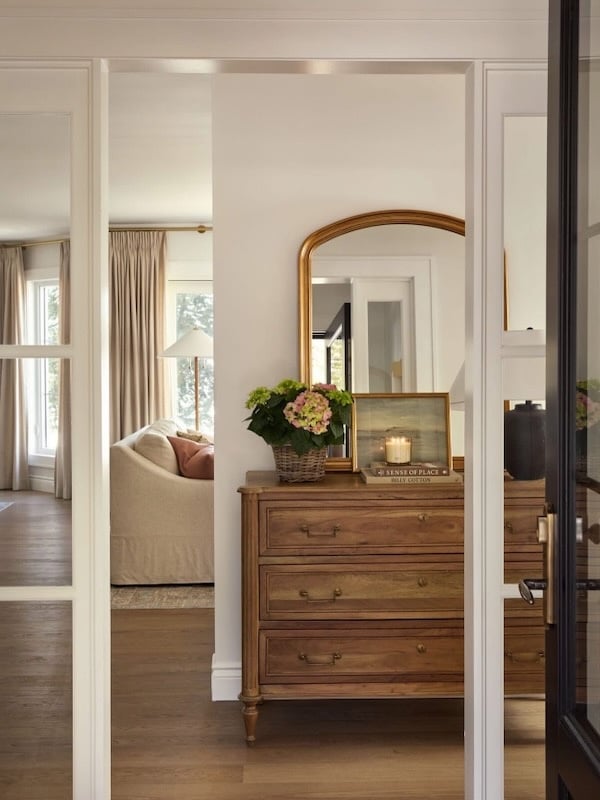 AKB Design Studio – Sylvie Li Photography
A stack of books, a sculptural object, a small bowl, and a vase of flowers might be all a coffee table needs.
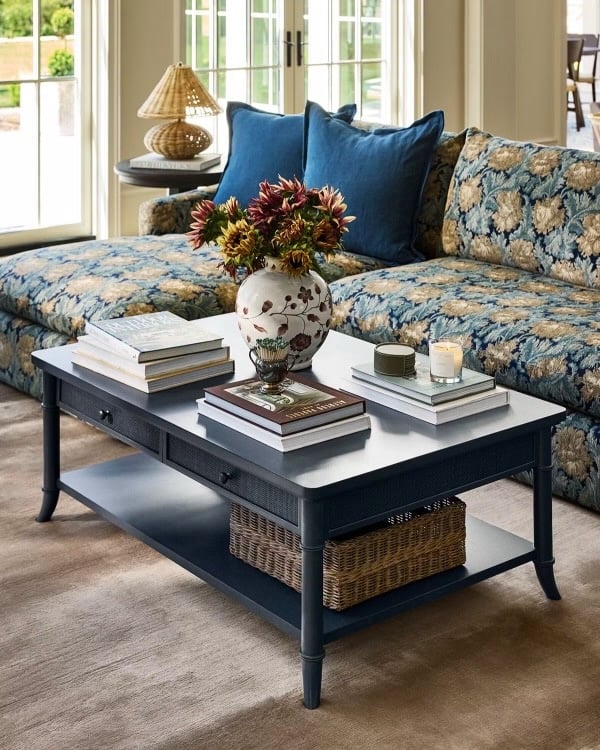 Studio McGee – coffee table – vase – sectional – rug – basket
A console could include a lamp, artwork or a mirror, a decorative box, and a natural element.
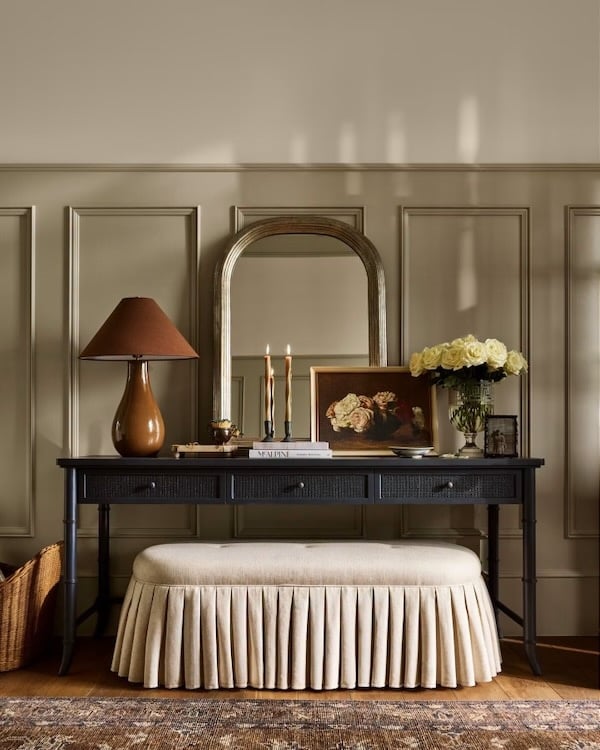 Studio McGee – console – bench – vase – art – candle holders – mirror – lamp
Trays are helpful for corralling small items, and books can elevate shorter objects to create variation in height.
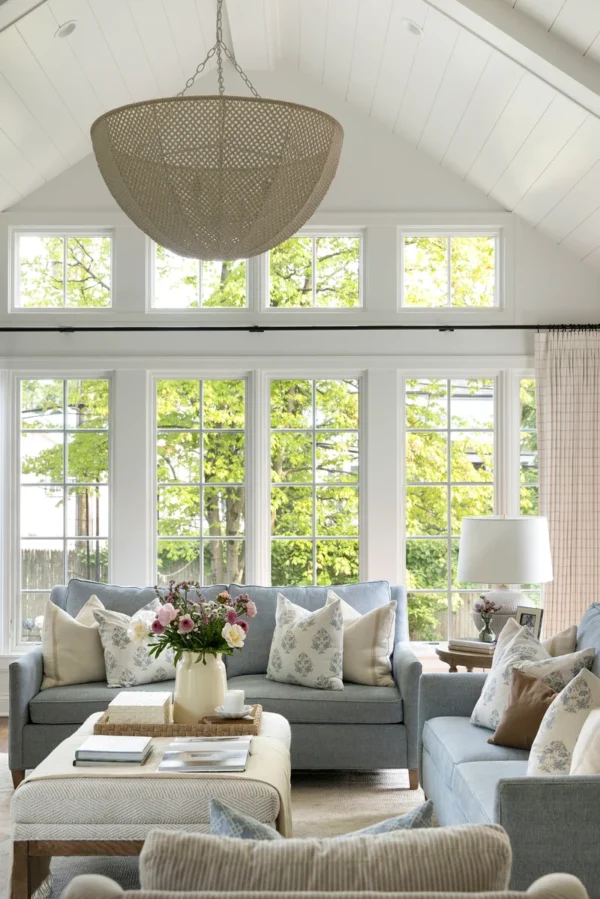
Leave some open space around each grouping so the eye has a place to rest.
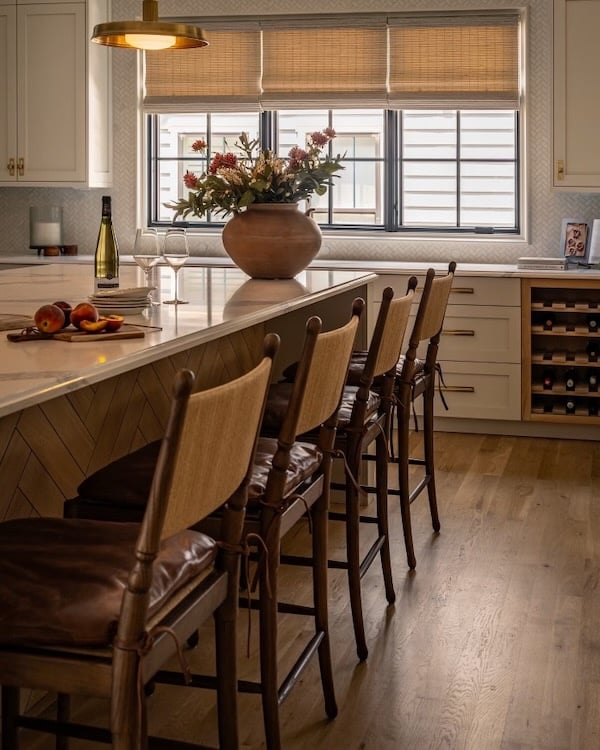 West of Main – counter stools – pendant
When in doubt, remove one or two pieces and take another look. Finished doesn’t mean filled; it means considered.
11. Your home is missing personal or collected pieces
A beautiful home shouldn’t look like it came directly from a furniture catalog.
Personal pieces are what make a house feel like your home.
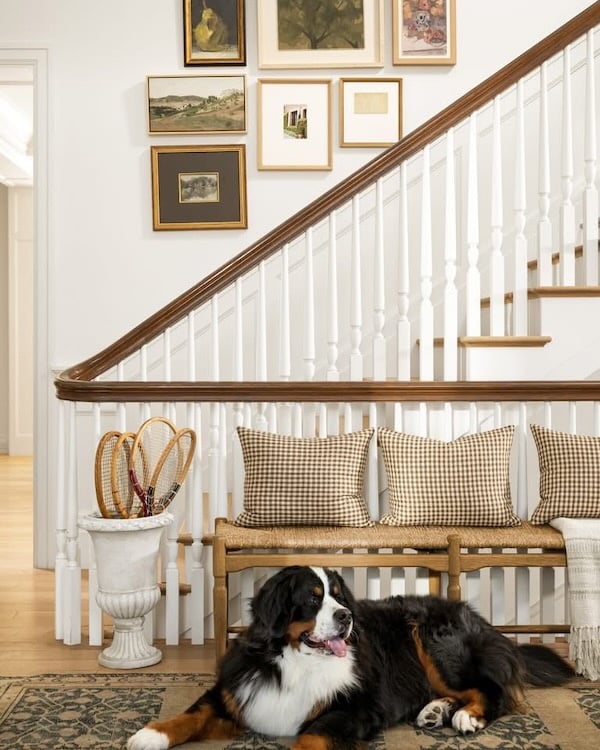
Family photographs, inherited furniture, travel finds, books, artwork from artists you love, collections, and meaningful objects all add layers that can’t be replicated by simply shopping for decor.
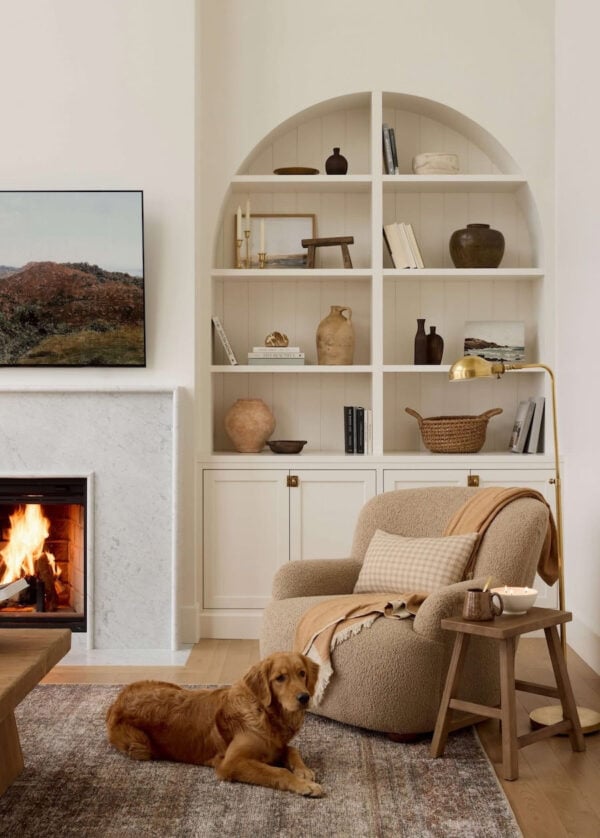 AKB Design Studio – similar chair
Don’t worry if everything doesn’t fit perfectly into one design style. Some of the most memorable rooms are created by combining pieces that have personal significance.
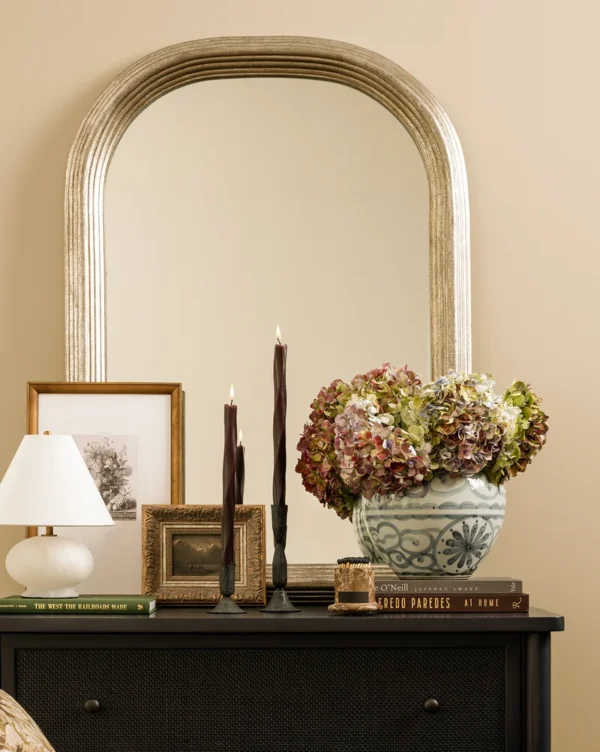 Studio McGee – mirror – candle holders
12. You stopped before adding the final layer
Many rooms are furnished but not fully styled. The large pieces are present: the sofa, bed, dining table, or cabinets — but the smaller details that connect everything are still missing.
The final layer might include pillows, a throw, books, a candle, decorative boxes, a tray, a mirror, a small stool, or a vase of fresh greenery.
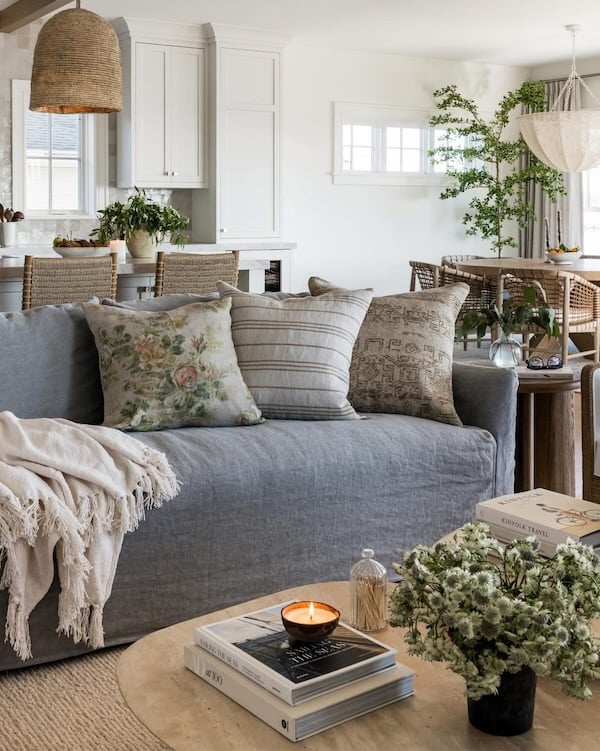 Pure Salt Interiors – Vanessa Lentine Photography – floral pillow – sofa – pendant
In a bedroom, it could mean layering the bedding and adding a bedside carafe, lamps, and artwork.
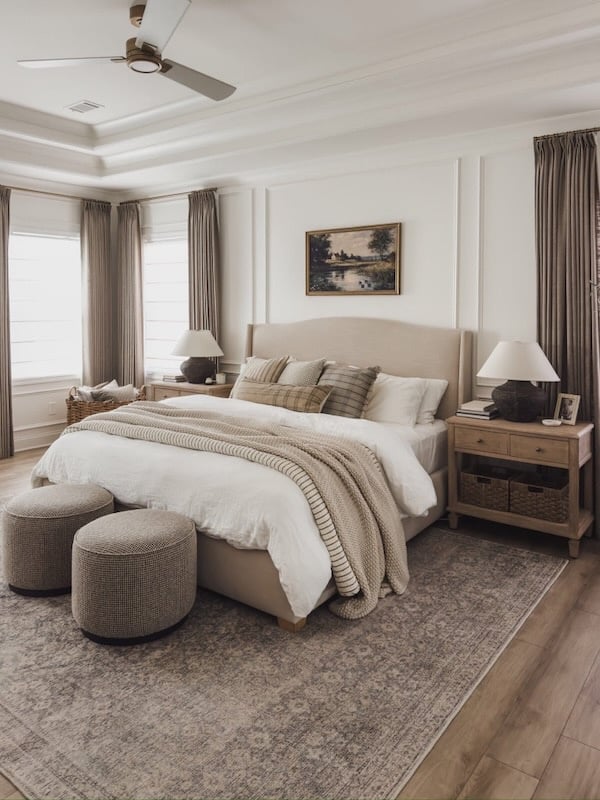
In an entryway, it might be a mirror, runner, lamp, box or bowl for keys, and a basket or stool beneath the console.
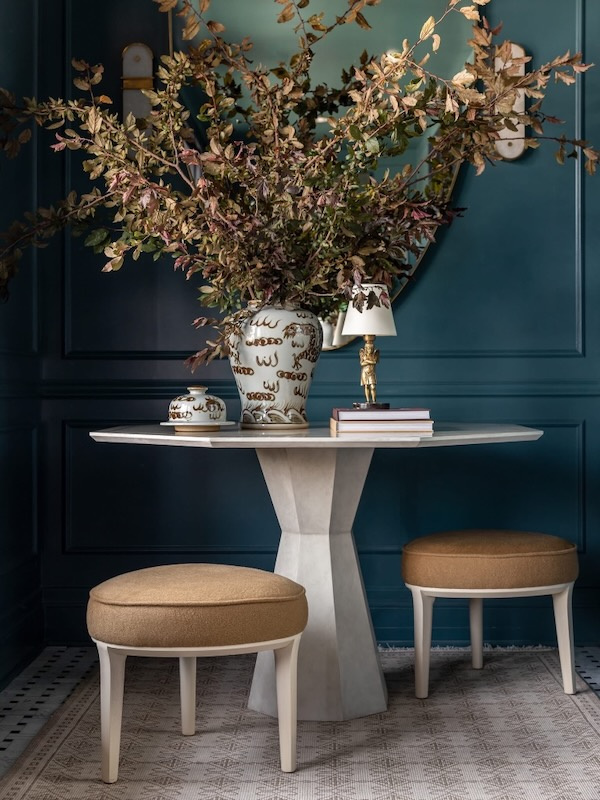 Alice Lane Home – stools – entry table – large jar
These little details create comfort and tell the eye that the room has been considered as a whole.
Think of this last step as editing and refining rather than simply adding more.
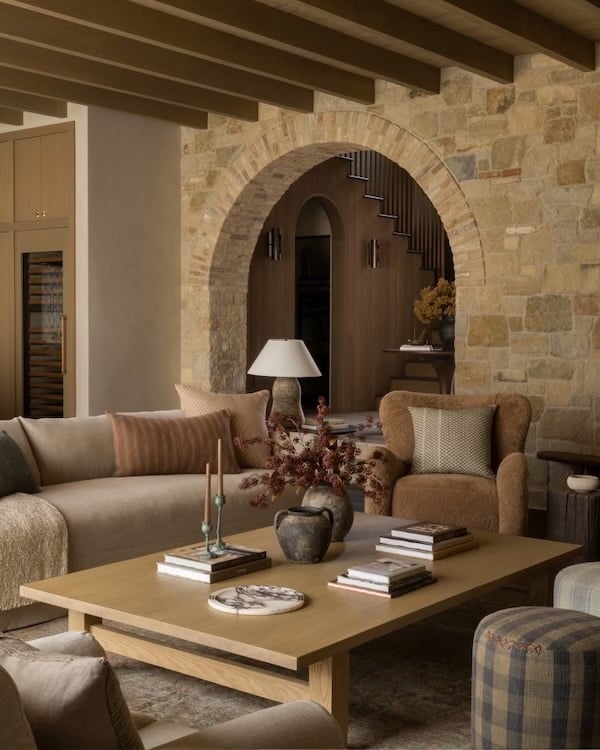 Amber Interiors – Eric Olsen Design Architecture – Shade Degges Photography
Sometimes completing a room means bringing in one final object; other times, it means removing something that interrupts the balance.
A Quick “Why Does My Room Feel Unfinished?” Checklist
Before shopping for new furniture or decor, stand in the doorway or take a photo of the room and ask:
- Is there an obvious focal point?
- Is the artwork large enough for the wall and furniture?
- Would curtains or shades soften the windows?
- Does the room have light at more than one height?
- Is there enough color, contrast, and texture?
- Is the rug large enough to connect the furniture?
- Does the furniture arrangement support conversation and easy movement?
- Is there at least one natural element?
- Are personal items included?
This simple exercise can often reveal exactly what a room needs and help you avoid buying decorative pieces that don’t solve the real problem.
Often, just one or two thoughtful updates — larger artwork, softer window treatments, a better furniture arrangement, layered lighting, or something meaningful from your own life — can bring the entire room together.
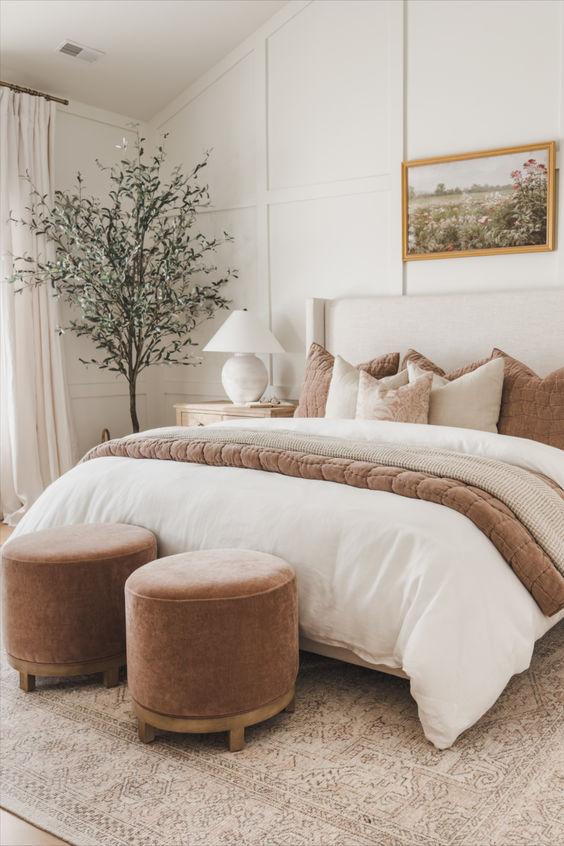 Alexis Andra Austin – stools – bedding
The most beautiful homes aren’t necessarily the ones with the most expensive furniture or the most accessories. They’re the ones that feel thoughtful, comfortable, personal, and complete.
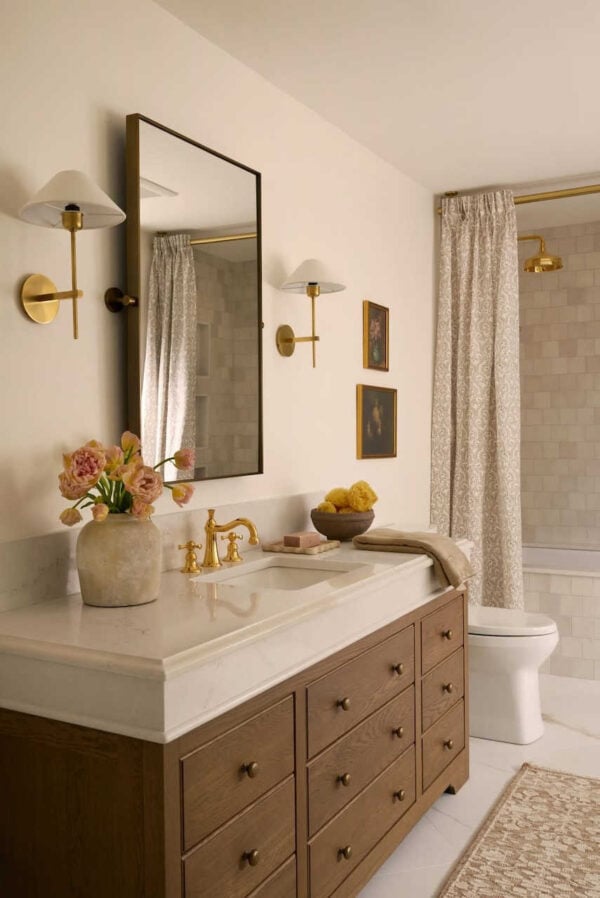 AKB Design Studio – Sylvie Li Photography – similar mirror – sconces
So before you buy another piece of furniture, look around your home with fresh eyes. You might discover that the finishing touches are already there — you simply need to bring them together.
I hope you found this post helpful and inspiring. Wishing you a beautiful day! xo Jane
Looking for 2026 – 2027 home decor trends, color inspiration, and interior design ideas? Here are a few favorite related posts from Jane at Home:
The 10 Most Beautiful Home Decor Trends for 2026
Top 10 Interior Design Styles and Trends for 2026
2026 Interior Color Trends and Colors the Year
Timeless Warm White Kitchen Ideas, Paint Colors, and Inspiration
Beautiful Winter Decor Ideas for a Calm, Elegant Home You’ll Love in 2026
A Simple Guide to Mixing Metals in the Bathroom
A Simple Guide to Mixing Metals in the Kitchen
2026 Kitchen Trends and Design Ideas You Will Love
Warm White Bathroom Ideas: Timeless Paint Colors and Design Inspiration
Modern Coastal Decorating Ideas for Your Home
The Best Nancy Meyers Interiors (and how to get the look in your home)
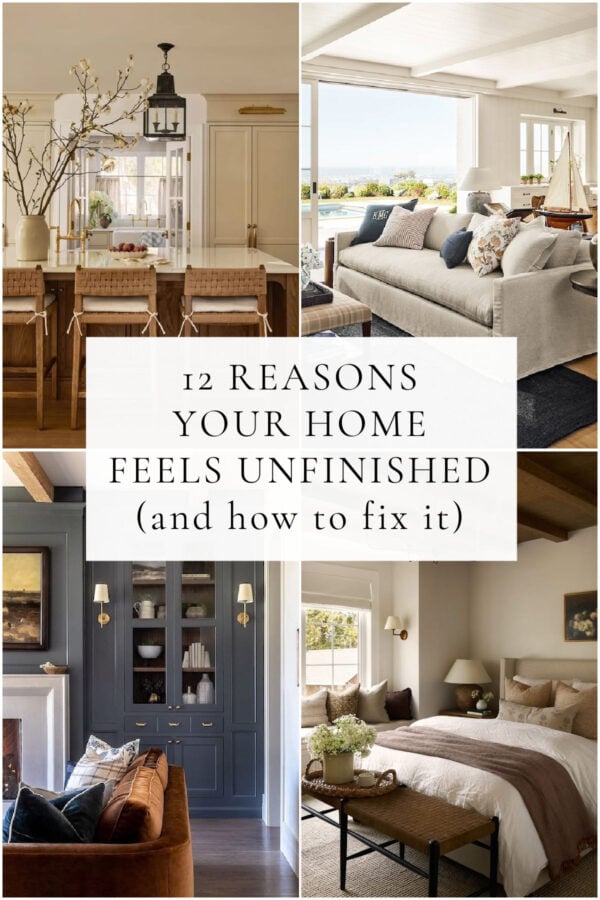
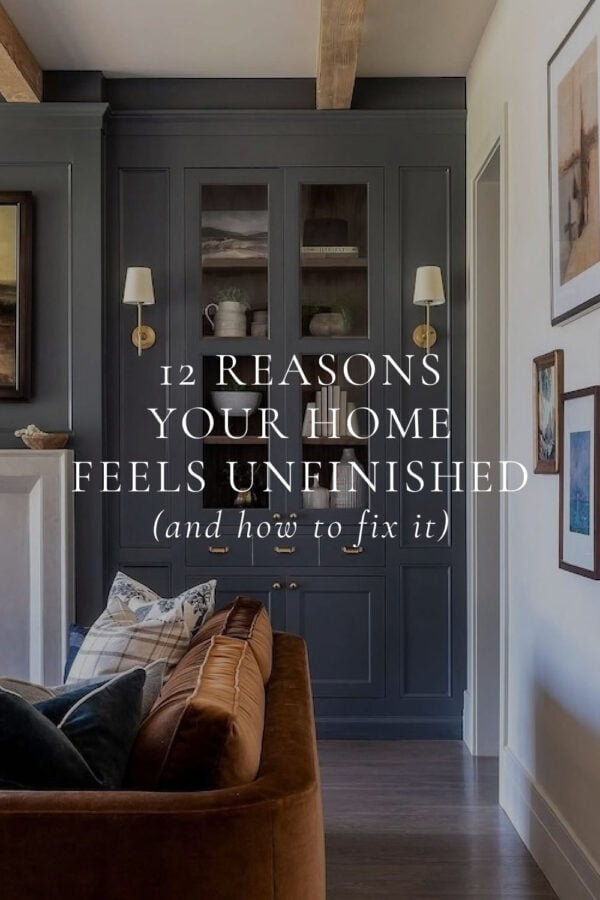
Content might contain affiliate links. If you purchase through a link, I may receive a commission at no cost to you. Please see my disclosure policy for details.
No Comments